
Smart Power Distribution: Reducing Energy Waste in Data Centers
The Importance of Optimized Power Flow in Modern Facilities
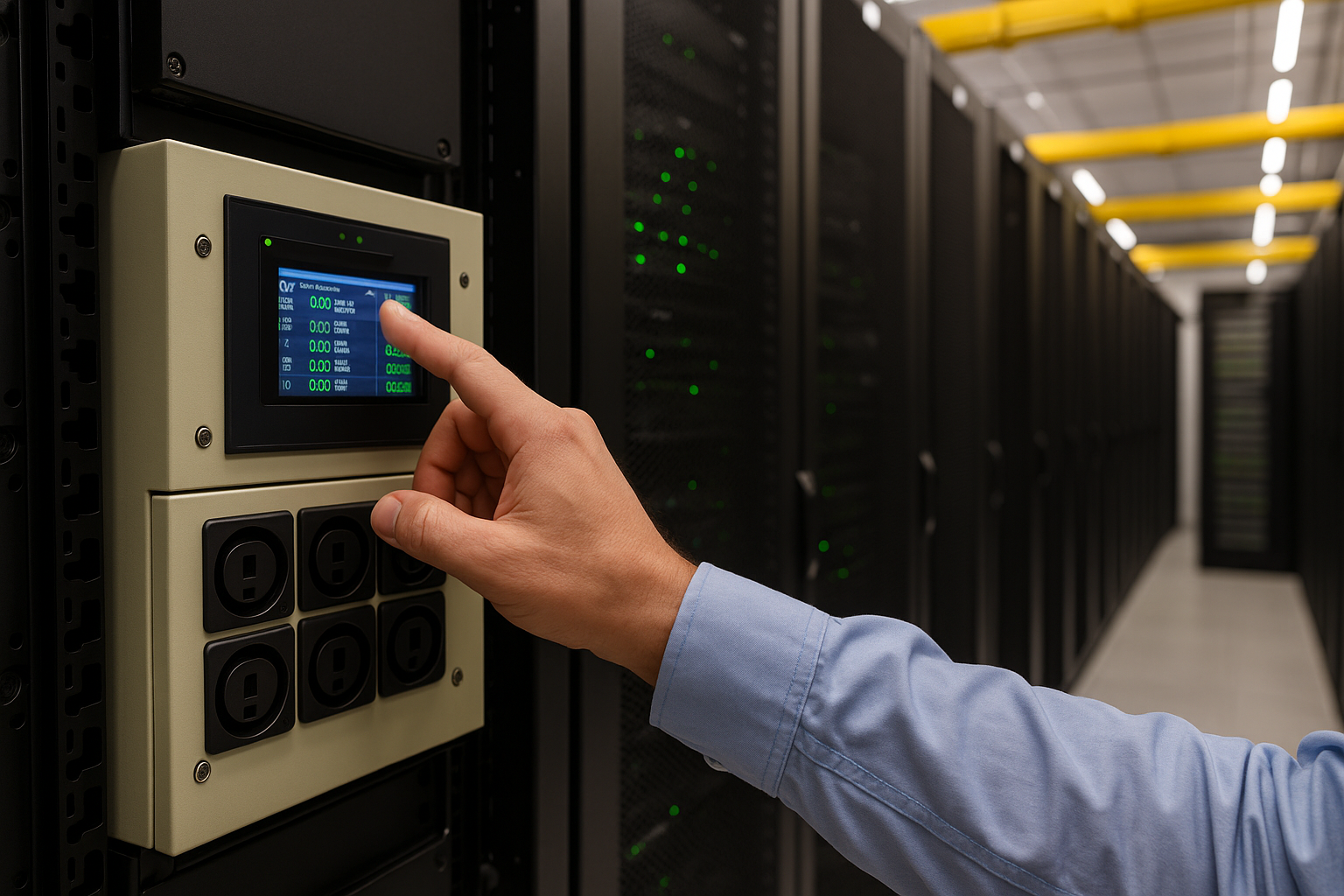
Smart power distribution has become a critical component in data center infrastructure as operators face rising energy costs and efficiency expectations. Traditional power systems often rely on static load allocation, which results in unnecessary consumption and wasted capacity. Smart distribution introduces automated adjustments that balance energy usage according to real-time demand. This reduces strain on electrical systems, extends equipment lifespan and improves energy proportionality across racks and servers. Continuous monitoring provides visibility into consumption patterns, allowing managers to identify inefficiencies before they escalate. These capabilities support compliance with sustainability goals while lowering operational expenditure.
Intelligent Monitoring to Minimize Consumption Variability
Advanced monitoring tools within smart power distribution architectures play a key role in reducing waste. Sensors track metrics such as current, voltage and thermal conditions at granular levels. This enables more accurate capacity planning, especially in high-density environments where load fluctuations occur frequently. Intelligent alerts notify operators when power anomalies appear, helping to prevent over-provisioning and unnecessary energy use. Data-driven insights also aid in predicting peak loads, ensuring that power availability aligns with real operational requirements. Combined with automated reporting, these systems streamline decision-making and strengthen long-term energy management practices.
Dynamic Load Balancing to Reduce Inefficiencies
One of the strongest advantages of smart power distribution lies in dynamic load balancing. When servers operate unevenly, some circuits become overloaded while others remain underutilized. This imbalance reduces overall efficiency and increases cooling demands. Smart systems adjust loads automatically to maintain uniform distribution, which reduces hotspots and lowers thermal output. By improving load symmetry, operators achieve more stable energy consumption and reduce the environmental footprint of their facilities. Dynamic balancing also minimizes downtime risks linked to electrical stress, supporting stronger uptime performance across critical workloads.
Integration With Renewable and Adaptive Infrastructure
Smart power distribution also helps data centers integrate renewable energy sources and adaptive technologies. Systems can prioritize cleaner power inputs when available, adjusting load flows to maximize sustainability. They also enable smarter interaction with backup systems, grid services and battery storage. The result is an adaptive ecosystem that responds to both internal and external conditions. These capabilities prepare facilities for increasing regulations around efficiency and emissions while ensuring that energy strategies remain flexible in evolving market environments. As data center demands continue to grow, smart distribution becomes essential for maintaining competitive operational standards.
Source: Schneider Electric