
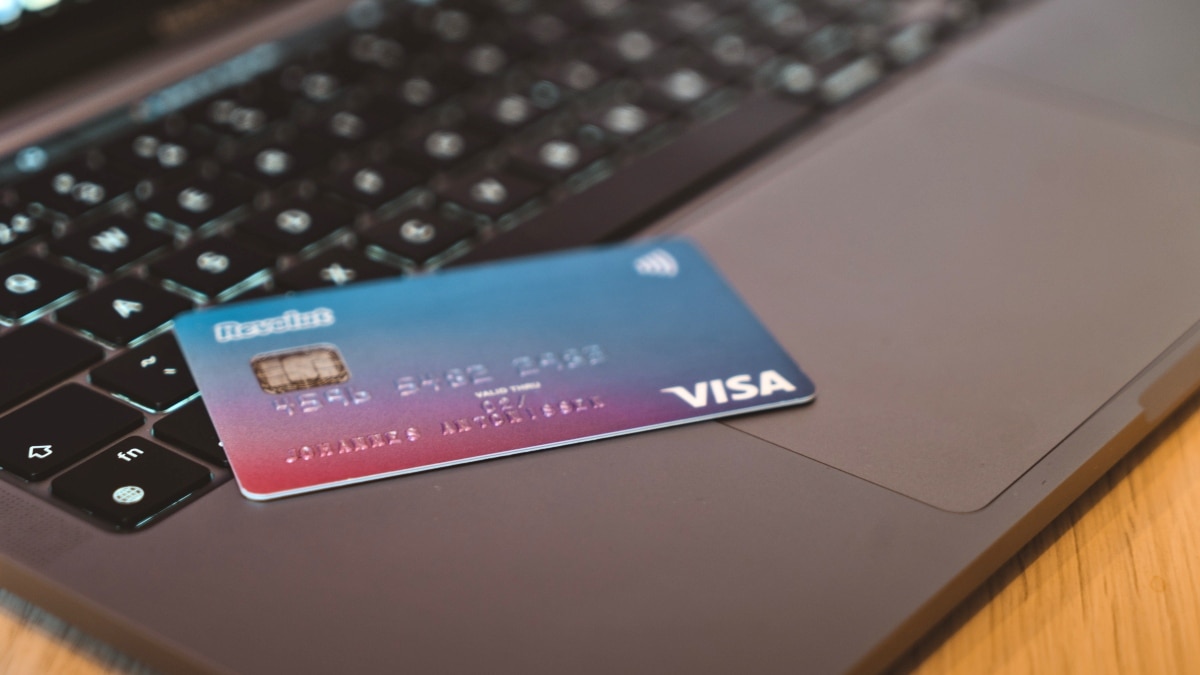
Protect your passwords and your bank card
Have you suffered a data breach online? Protect your passwords and bank card.
Share as little information as possible with online platforms and don’t click on links that have been sent to you.
What should you do if your personal data has been leaked and exposed online? Data breaches are not uncommon on various online services and platforms. These are usually threats that attempt to infect a specific organization’s network, so measures must be taken to protect this information. Users can also take preventative measures: the best advice is to only share the data that is strictly necessary with different services and platforms.
Taking a cautious approach can be one of the main ways to prevent data breaches from affecting you online. After all, nobody likes having their personal information exposed to just anyone.
Furthermore, this can cause real headaches if the exposed information is sensitive. The clearest examples are login passwords (especially when we have the bad habit of using the same one for a large number of online accounts) or banking details. The economic consequences can have a significant impact on personal finances.
Unfortunately, data breaches are very common, so a highly recommended first step is easy to take: only share the data that is strictly necessary with different services and platforms. In particular, it is recommended to avoid providing information such as your home address or real name. Another good practice is to use a secondary email address when registering, not your primary one.
Data theft: suspicious passwords and links
In this context, Kaspersky experts share a series of tips to stay protected and know how to act if you have been affected by a data breach.
You must act quickly. The first thing you should do is change your passwords as soon as possible. If you use the same password for different services, it is important to change it for all of them. Therefore, experts recommend using a password manager, which facilitates the creation and management of secure passwords.
Source: www.theobjective.com